
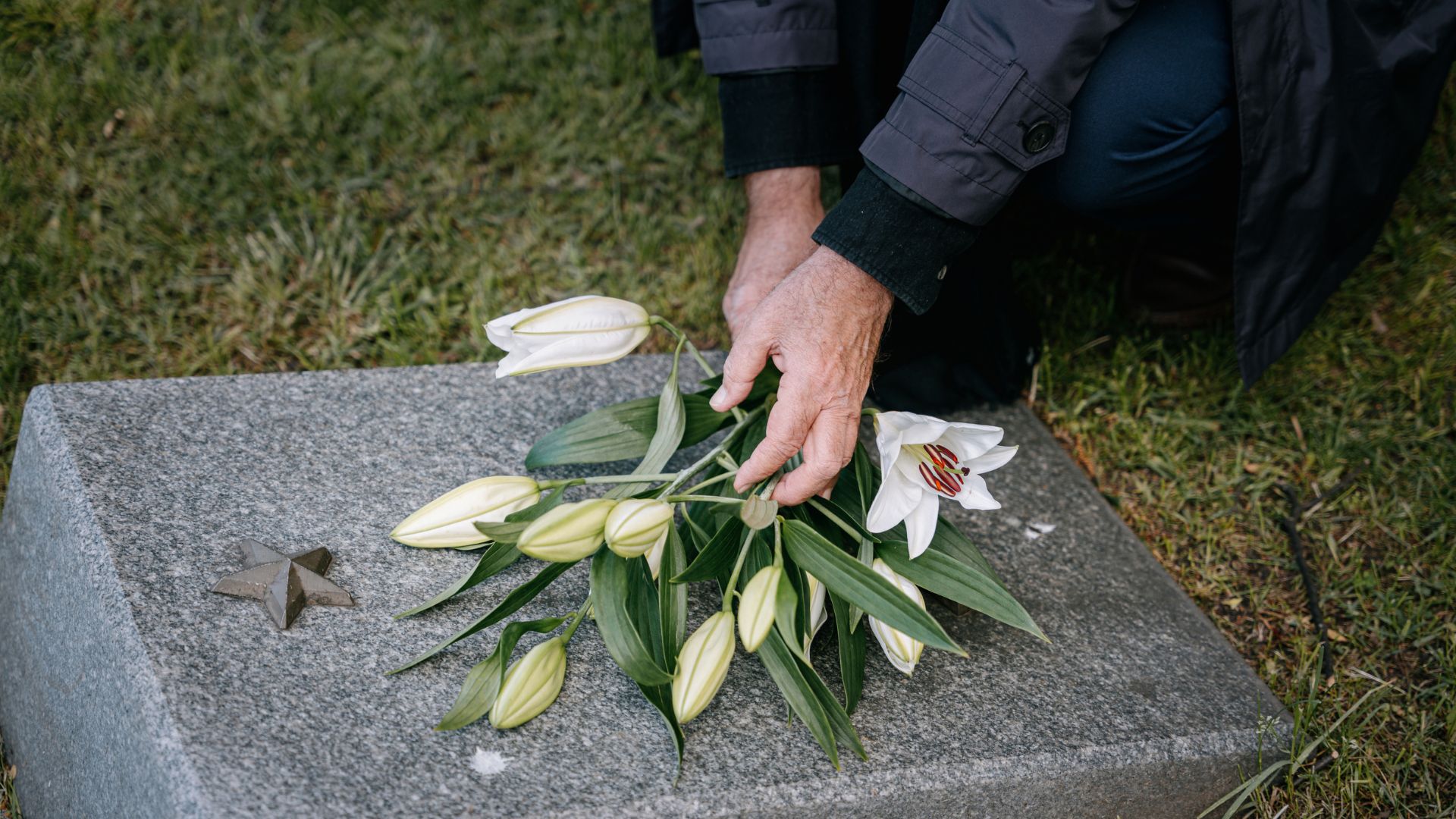
Losing someone significant is one of the most profound and potentially life changing experiences a person can face.
Although grief is a natural response to loss, there is no single “right” way to experience it. Emotional, cognitive, and behavioral reactions can vary considerably from one person to another, influenced by personal history, the relationship with the deceased, available psychological resources, and social support.
Over the past decades, psychological research has gradually moved away from the idea that grief follows fixed and universal stages. Instead, contemporary theories focus on the adaptation processes that allow individuals to integrate loss into their lives while continuing to move forward.
What is grief from a psychological perspective?
Grief can be understood as the collection of emotional, cognitive, physiological, and relational responses that follow a significant loss.
Contrary to common assumptions, grief is not only about the absence of a loved one. It also involves reorganizing aspects of identity, daily routines, future plans, and the meaning that relationship held in one’s life.
For this reason, grief affects emotional, cognitive, and relational functioning simultaneously.
Why grief often feels unpredictable
Many people expect grief to decrease gradually and linearly over time. Research, however, suggests that adaptation to loss tends to be far more dynamic.
The Dual Process Model, developed by Margaret Stroebe and Henk Schut, proposes that grieving individuals naturally move back and forth between two psychological orientations:
- loss oriented coping, involving engagement with the pain of the loss and memories of the deceased
- restoration oriented coping, focused on adapting to daily life, new roles, and future challenges
This oscillation is considered a healthy and adaptive process rather than a sign of regression or unresolved grief.
Common psychological reactions to grief
People experiencing grief may encounter a wide range of emotional and cognitive responses.
- intense sadness
- longing and yearning for the deceased
- feelings of emptiness
- anger
- guilt
- difficulties concentrating
- recurrent thoughts about the loss
- changes in sleep and appetite
These reactions do not necessarily indicate a psychological disorder. In many cases, they represent normal responses to a deeply meaningful life event.
The role of attachment
Modern attachment theories suggest that the intensity of grief is closely connected to the significance of the relationship that has been lost.
According to John Bowlby, separation from an important attachment figure activates deeply rooted emotional and biological systems designed to maintain proximity to people who provide safety, comfort, and security.
For this reason, grief is not merely an emotional reaction. It also reflects fundamental psychological processes that shape human relationships throughout life.
Maintaining a bond does not mean failing to heal
For many years, grief was viewed as a process of “letting go” of the deceased person.
More recent research offers a different perspective. The Continuing Bonds model suggests that maintaining a symbolic connection with a loved one can be a healthy and adaptive part of grieving.
Memories, shared values, personal rituals, and meaningful life lessons may continue to occupy an important place in a person’s life without preventing adaptation or growth.
When grief becomes more complex
For some individuals, adaptation to loss can become particularly challenging.
Factors such as sudden deaths, traumatic circumstances, social isolation, previous psychological difficulties, or a lack of support may increase the risk of developing prolonged grief symptoms.
In these situations, the emotional pain may remain highly intense over time and significantly interfere with daily functioning, relationships, and future planning.
The role of psychological support
Psychological support is not intended to eliminate the pain of loss.
Instead, it can help individuals understand and navigate the adaptation process, develop emotional resources, and integrate the loss into their personal life story.
Therapeutic work may help people:
- understand their emotional reactions
- reduce guilt and self criticism
- improve emotional regulation
- process traumatic aspects of the loss
- rebuild meaning and future perspectives
The goal is not to forget the person who died, but to find a sustainable way to continue living while preserving the significance of the relationship.
What you can do
If you are facing a significant loss and feel that grief is affecting your emotional well being, psychological support can help you better understand what you are experiencing and develop resources to navigate this difficult period.
Contact me for a psychological consultation focused on grief, loss, and emotional adjustment following significant life changes.
References
- Bowlby, J. (1980). Attachment and Loss, Volume III: Loss.
- Stroebe, M., & Schut, H. (1999). The Dual Process Model of Coping with Bereavement.
- Worden, J. W. (2018). Grief Counseling and Grief Therapy.
- Klass, D., Silverman, P. R., & Nickman, S. (1996). Continuing Bonds.
- Neimeyer, R. A. (2016). Techniques of Grief Therapy.
- American Psychiatric Association (2022). DSM-5-TR.