
“Why does my teenager make that choice even when they know it may have negative consequences?”
This is a common question among many parents of adolescents. During this stage of development, some behaviours can feel difficult to understand: increased impulsivity, a strong desire for independence, seeking new experiences, or being highly influenced by peers.
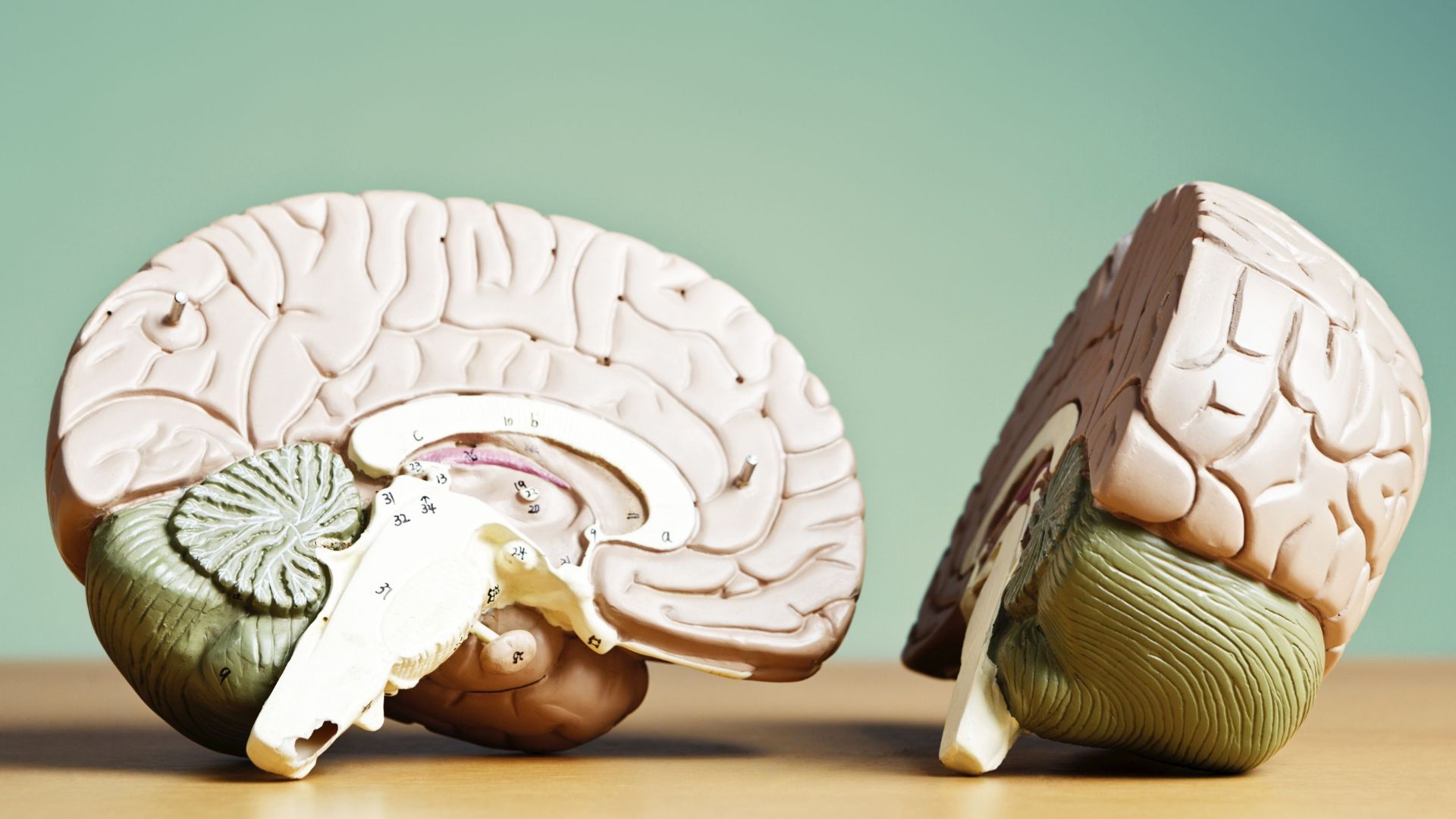
However, these behaviours are not simply the result of a lack of responsibility or poor decision-making. Adolescence is a period of significant biological, emotional, and social development, during which the brain continues to mature and develop important skills involved in self-regulation, decision-making, and emotional control.
Adolescence: A Period of Major Brain Development
Adolescence is a time of intense brain reorganization. Through a process called neuroplasticity, the brain changes and strengthens connections in response to new cognitive, emotional, and social experiences.
During this phase, brain systems involved in motivation, emotions, reward processing, and social experiences become highly active, while areas responsible for planning, impulse control, and evaluating long-term consequences continue to gradually develop.
This means that adolescents may understand rules and consequences but can still struggle to apply this knowledge in situations where emotions, social pressure, or immediate rewards are involved.
The Role of the Prefrontal Cortex in Decision-Making
The prefrontal cortex plays a central role in executive functions, which are the cognitive abilities that help individuals regulate behaviour, make decisions, and achieve goals.
These abilities include:
- planning and organization;
- evaluating possible consequences;
- controlling impulses;
- managing intense emotions;
- adapting behaviour when circumstances change.
During adolescence, these skills are still developing. As a result, teenagers may sometimes act more impulsively or focus on immediate emotions and rewards rather than fully considering future outcomes.
Why Do Emotions Feel More Intense During Adolescence?
Many adolescents describe their emotions as intense and difficult to manage. Feelings such as anger, excitement, sadness, or frustration can sometimes feel overwhelming.
From a neuroscience perspective, this is partly related to the different rates at which brain systems develop. Areas involved in emotional responses and reward sensitivity become highly active before the systems responsible for regulation and self-control are fully mature.
This developmental pattern can contribute to stronger emotional reactions, greater sensitivity to experiences, and a stronger desire for exploration and novelty.
The Influence of Peers and Social Belonging
During adolescence, the need for acceptance and belonging becomes especially important. Relationships with peers play a significant role in identity development and the process of becoming more independent.
The opinions and reactions of friends may sometimes feel more influential than those of adults. This is not simply a sign of immaturity, but part of a natural developmental process in which adolescents explore who they are and how they fit into the social world.
Understanding this need for connection can help adults approach adolescents with greater empathy while still maintaining appropriate boundaries.
How Adults Can Support Adolescent Development
Understanding the adolescent brain does not mean excusing every behaviour. Instead, it allows adults to create more effective ways of communicating and supporting young people.
Helpful approaches include:
- encouraging open communication rather than focusing only on control;
- helping adolescents reflect on choices and possible consequences;
- setting clear and consistent boundaries;
- acknowledging emotions without minimizing them;
- gradually promoting independence and responsibility.
Understanding Before Judging
Adolescence is a complex developmental stage involving profound biological, psychological, and social changes. Many behaviours that adults may find challenging are connected to the natural process of growth, exploration, and identity formation.
Understanding how the adolescent brain develops can help parents and caregivers respond with greater awareness, creating relationships based on communication, trust, and support.
Scientific References
- Casey, B. J., Jones, R. M., & Hare, T. A. (2008). The adolescent brain. Annals of the New York Academy of Sciences.
- Steinberg, L. (2005). Cognitive and affective development in adolescence. Trends in Cognitive Sciences.
- Blakemore, S. J., & Mills, K. L. (2014). Is adolescence a sensitive period for sociocultural processing? Annual Review of Psychology.
- Dahl, R. E. (2004). Adolescent brain development: A period of vulnerabilities and opportunities. Annals of the New York Academy of Sciences.