
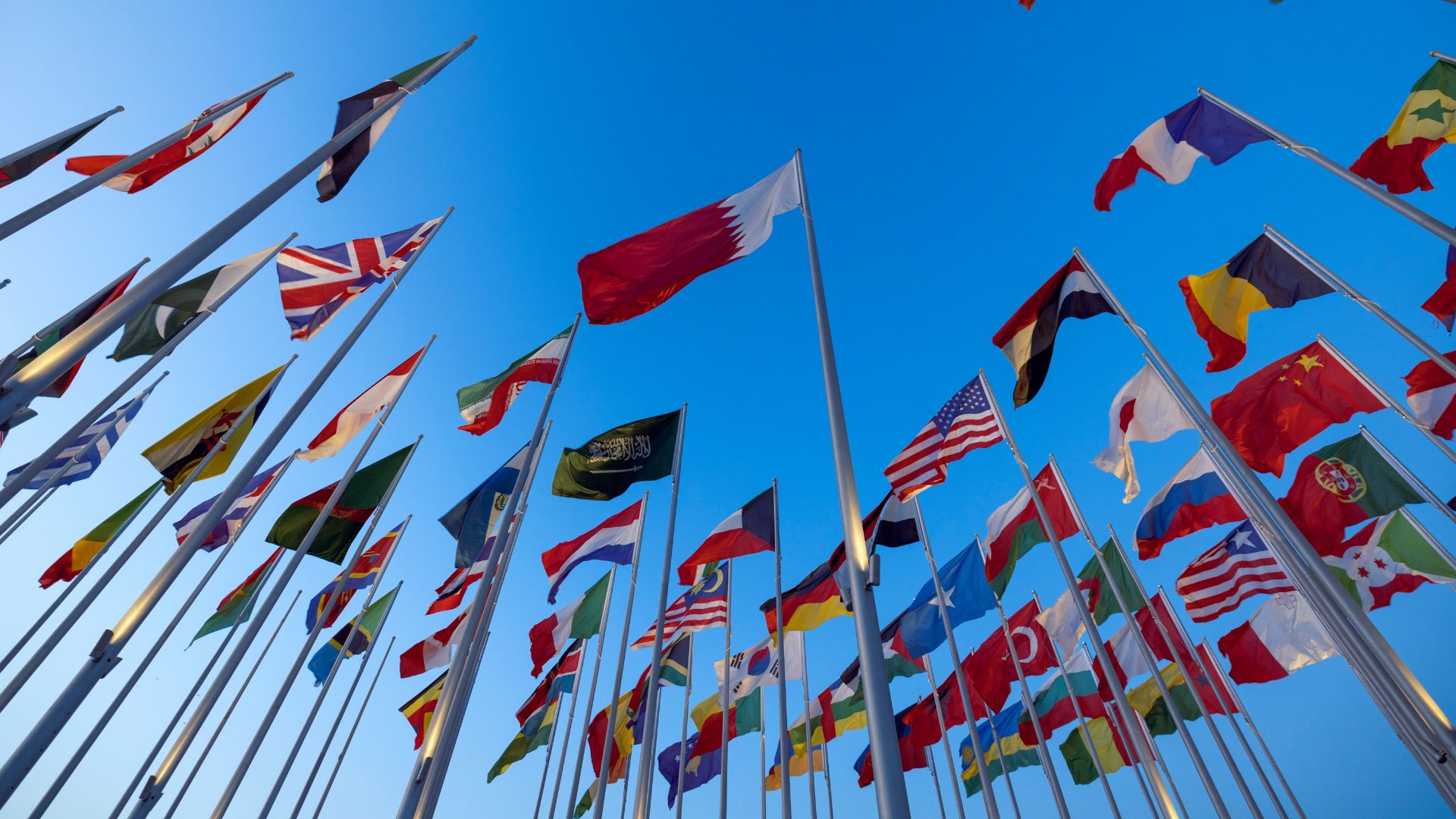
Moving to another country is often described as an exciting adventure, an opportunity for growth, new relationships, and professional development. What is discussed less frequently is that living in a country different from the one in which we were born can also involve a complex psychological process of adaptation.
Whether you are an American living in Italy, an international professional working abroad, a student far from home, or an Italian who has moved to another country, expatriate life can bring experiences that are both enriching and emotionally demanding at the same time.
Psychological research on migration, acculturation, and international mobility shows that adapting to a new cultural environment involves much more than learning a language or navigating bureaucracy. It often requires a profound reorganization of identity, relationships, routines, and expectations about oneself and the future.
Why living abroad can be emotionally challenging
People who move abroad frequently experience a combination of excitement and emotional strain. Common difficulties include:
- feeling disconnected from family and friends;
- loneliness despite being surrounded by people;
- difficulties building meaningful relationships in a new culture;
- feeling “between two worlds”;
- uncertainty about where “home” really is;
- stress related to language, work, or immigration processes;
- a sense of identity confusion after many years abroad.
These reactions are not signs of weakness or failure to adapt. They are common responses to the significant psychological demands associated with cultural transition.
The psychology of acculturation
Psychologist John Berry described acculturation as the process through which individuals adapt to a new cultural environment while maintaining, partially maintaining, or transforming aspects of their original cultural identity.
This process can take different forms. Some people feel well integrated into both cultures, while others may experience conflict between their culture of origin and the new cultural context. The latter can lead to increased stress, isolation, and emotional exhaustion.
For many expatriates, the challenge is not simply “fitting in” to a new country, but learning how to integrate multiple cultural identities into a coherent sense of self.
When homesickness is more than missing home
Homesickness is often underestimated. Research shows that it can involve not only missing familiar places and people, but also mourning the loss of routines, language nuances, cultural references, and the feeling of being effortlessly understood.
Many international residents describe a subtle but persistent sense of emotional displacement: they may no longer feel fully at home in their country of origin, yet they do not feel completely rooted in their new country either.
This experience is particularly common among long term expatriates, bicultural individuals, and people who have moved several times throughout their lives.
The hidden stress of functioning in another language
Living in a second language requires continuous cognitive and emotional effort. Even highly proficient bilingual speakers may notice that expressing emotions, asking for support, or discussing personal difficulties feels different in another language.
This can sometimes create a sense of emotional distance from one’s own experiences, making it harder to communicate vulnerability or seek help when needed.
For this reason, many expatriates report feeling relieved when they can speak with a professional who understands both their language and the cultural complexities of living between countries.
The challenge of returning home
Interestingly, returning to one’s home country can be emotionally challenging as well. After spending years abroad, people often expect to feel immediately “back to normal,” but many experience what is known as reverse culture shock.
Friends, family, and familiar places may have changed, and the person who returns has usually changed too. This can lead to feelings of disorientation, frustration, or difficulty reconnecting with previous aspects of life.
As someone who has personally experienced expatriate life and later returned to Italy after several years abroad, I know that both leaving and returning can involve complex emotional adjustments. International experiences can enrich us profoundly, but they can also raise important questions about identity, belonging, and personal direction.
When psychological support can help
Seeking psychological support does not mean that you are unable to cope with life abroad. In many cases, it represents an opportunity to better understand the emotional impact of international mobility and to develop resources for navigating it more effectively.
Support can be particularly helpful if you are experiencing:
- persistent loneliness or isolation;
- anxiety related to relocation or cultural adaptation;
- difficulties building relationships in a new country;
- stress connected to work, study, or immigration processes;
- confusion about identity or belonging;
- emotional difficulties after returning to your home country;
- the feeling of being emotionally “stuck” between two cultures.
A culturally sensitive perspective
Working with expatriates, international residents, and Italians living abroad requires attention not only to individual symptoms, but also to the cultural context in which those experiences occur.
Cultural values influence how we express emotions, seek support, interpret relationships, and define personal success. A culturally sensitive psychological approach recognizes these differences and avoids assuming that there is a single “correct” way to adapt to life in another country.
You do not have to navigate this alone
Living between countries can be enriching, meaningful, and transformative, but it can also be emotionally demanding. If you are an expatriate, an international resident, or an Italian living abroad and you feel that the experience is affecting your well being, psychological support can offer a space to explore these challenges with understanding and without judgment.
Contact me for a psychological consultation in English or Italian dedicated to expatriates, international residents, and Italians living abroad. Having lived abroad myself and experienced the process of returning home, I understand many of the emotional complexities that can emerge when life unfolds between different countries and cultures.
References
- Berry, J. W. (1997). Immigration, Acculturation, and Adaptation.
- Ward, C., Bochner, S., & Furnham, A. (2001). The Psychology of Culture Shock.
- Adler, P. S. (1975). The Transitional Experience: An Alternative View of Culture Shock.
- Sussman, N. M. (2002). Testing the Cultural Identity Model of the Cultural Transition Cycle.
- Van Tilburg, M. A., & Vingerhoets, A. J. (2005). Psychological Aspects of Geographical Moves and Homesickness.
- American Psychological Association. (2020). Publication Manual of the American Psychological Association.